Our roots and our journey.
1999
The Galileo Engineering Associated Studio was born from the combination of the experiences of four professionals specialized in engineering, safety, and the environment.
2001
Galileo Ingegneria Srl is set up with a multidisciplinary structure to provide integrated engineering and consulting services
2002
Galileo Engineering is moving into the historic industrial complex of the Maglio Paper Mill, an example of 1930s industrial architecture
2015
The company is reorganizing into three technical divisions: Engineering, Consulting, Training
2017
Galileo Ingegneria is registered with the Engineering Companies Register, established at A.N.A.C., and compliant with the guidelines of Legislative Decree 50/2016 and Ministerial Decree 263/2016
2019
Galileo LAB becomes operational, a training and education center equipped with a classroom, labs, a gym, and technical equipment for exercises and simulations
2019
GWS – Galileo Waste Solution Ltd is born, bringing together Galileo Engineering’s more than ten years of experience in consulting on environmental protection, waste management, and the circular economy.
2020
2HIGH Srl is born, part-owned by Galileo Ingegneria, specializing in the maintenance of complex buildings, with offices in Bologna and Milan
2021
The transformation of Galileo Engineering into a joint-stock company is being formalized
2022
The shareholder structure of Galileo Engineering is being expanded internally
Our headquarters: the history of the Maglio Paper Mill
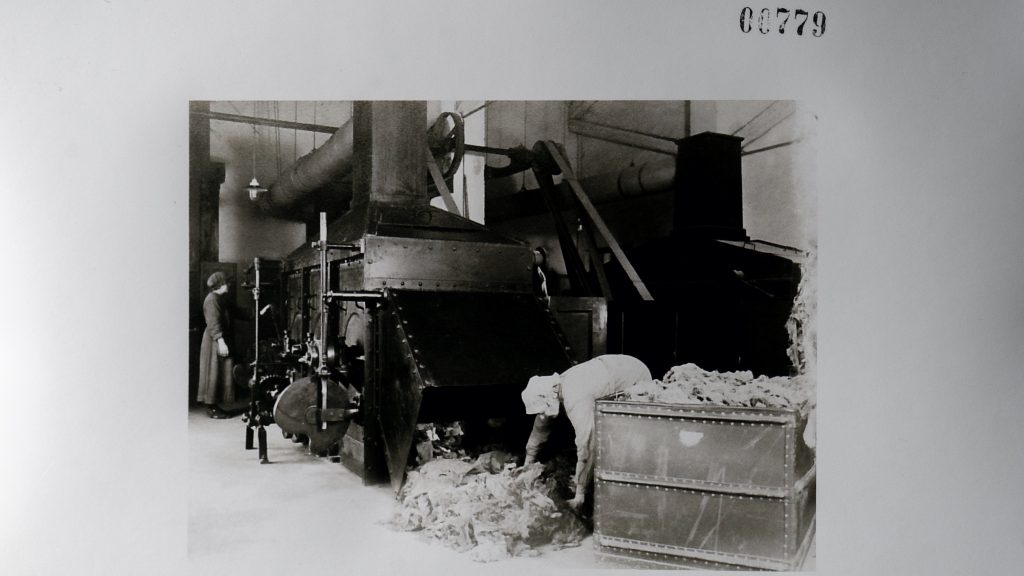
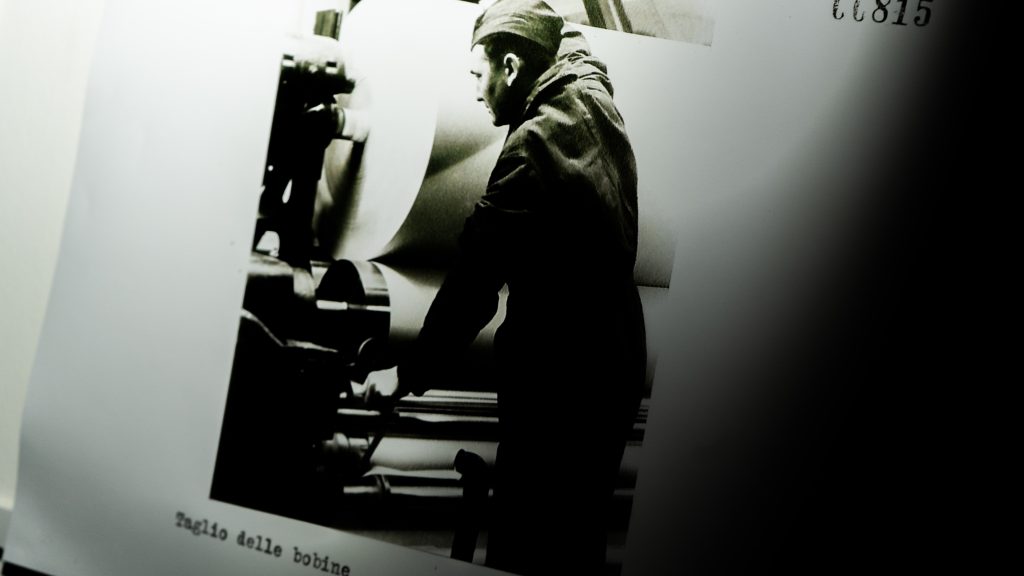
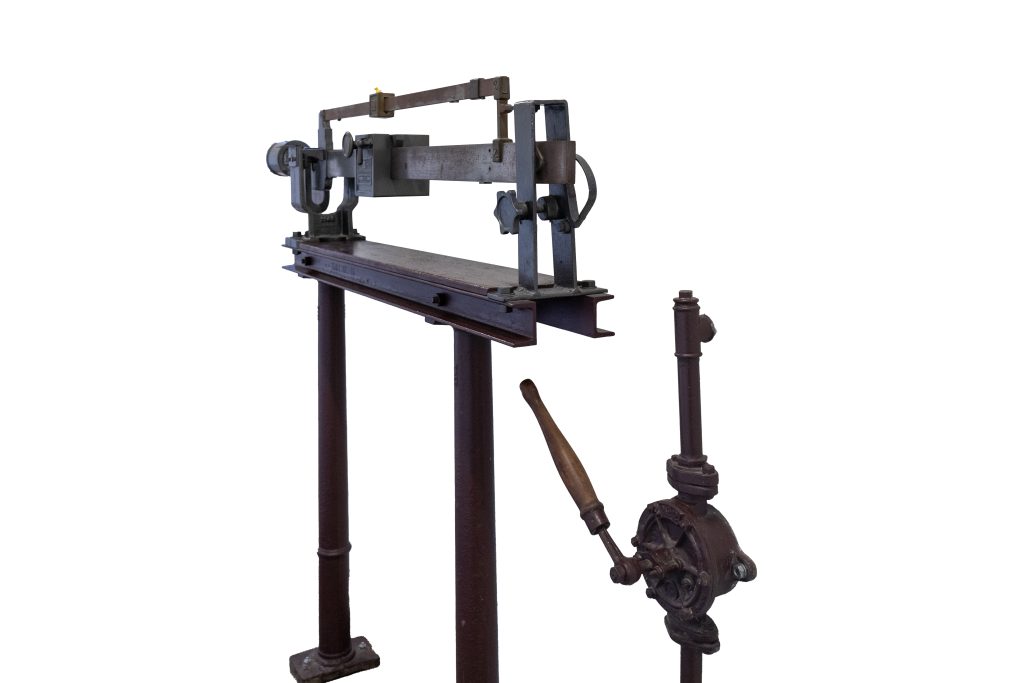
The Galileo Ingegneria headquarters occupies two twin buildings, built in 1922, located at the original entrance of the Maglio Paper Mill. Over nearly a century of the mill’s operations, they housed the chemical labs, locker rooms, the store, and the cafeteria, and later the gatehouse and the weighbridge, which is still visible in the hallway on the ground floor of our headquarters.
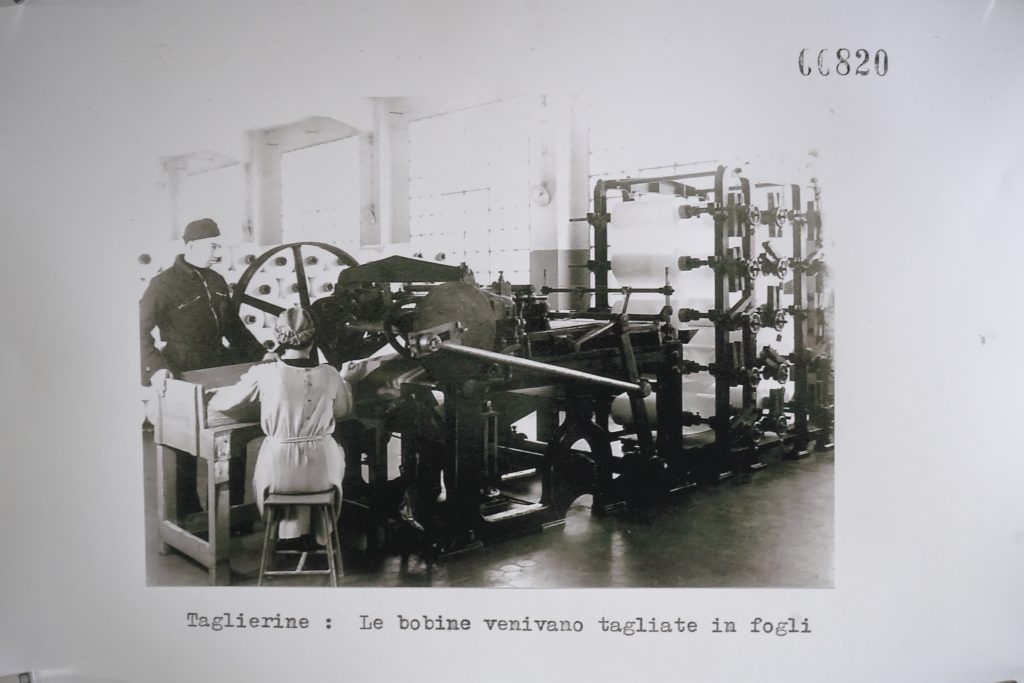
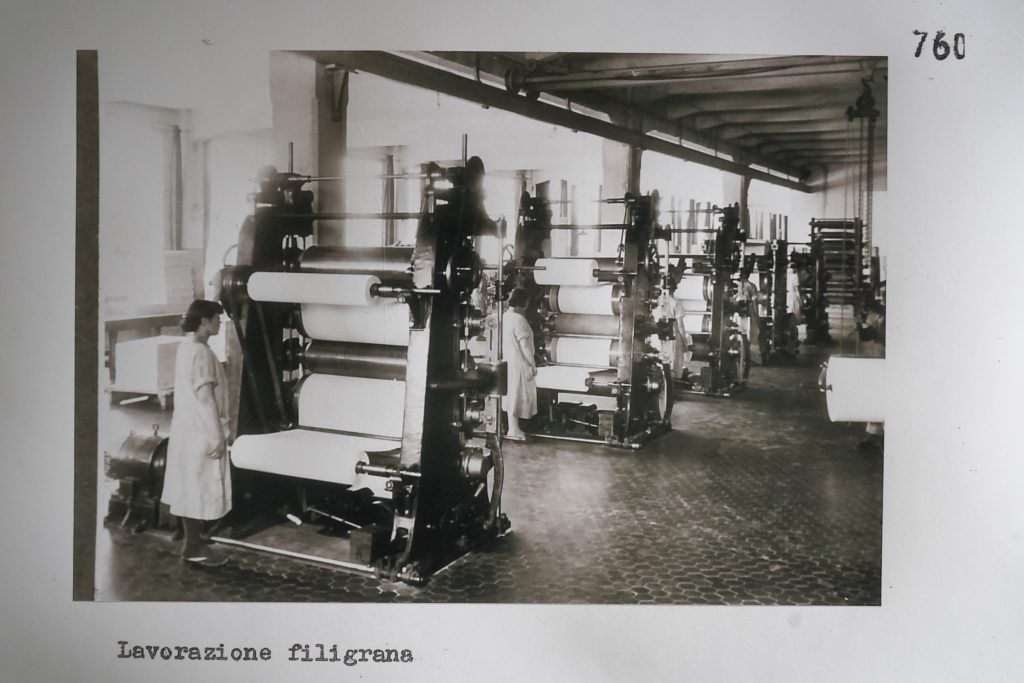
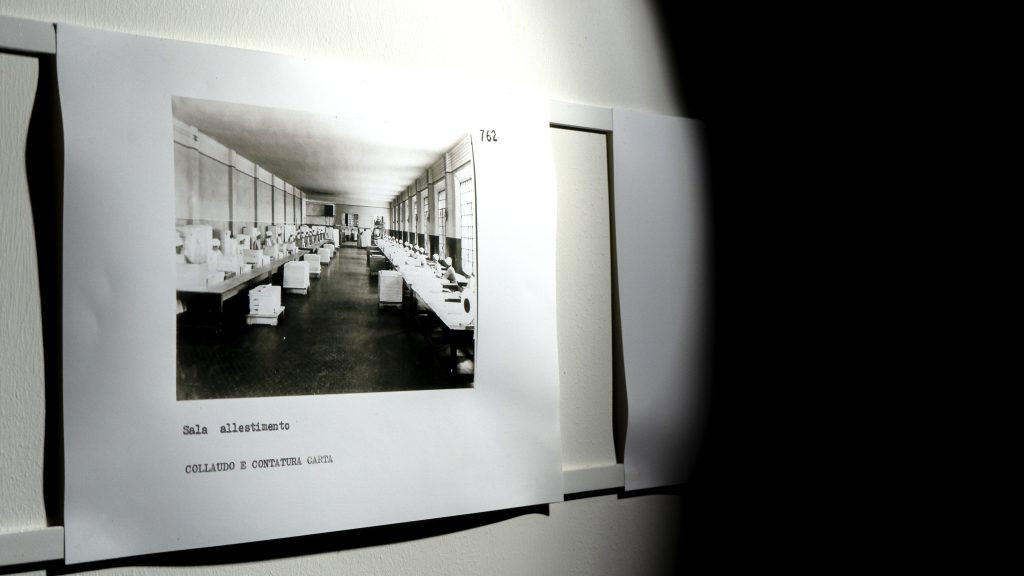
In the area called ‘Maglio’ on the banks of the Reno River near Borgonuovo in the municipality of Sasso Marconi (a municipality known by different names over time: Praduro and Sasso before 1935, Sasso Bolognese from 1935 to 1938, Sasso Marconi from 1938 onwards), there has been a mill and later a copper hammer mill powered by a water wheel since the 15th century. The houses of Maglio and the water usage rights, which in the 19th century were part of an estate called ‘Pontecchio’ owned by Count Carlo Marsigli, were sold in 1873 by the count to the Brisi Company and partners. The new owners built an industrial plant there to manufacture paper using a process that originally used hemp residues and later rags. In 1876, Giuseppe Marconi, Guglielmo’s father, took over from Eugenio Brisi, and the company was renamed Società per azioni Giuseppe Marconi e soci. He was succeeded by Gaetano Dazzani until 1879, when the paper mill was sold to Count Antonio Marescalchi, who, following a plan by the English engineer Alfredo Edlmann, rebuilt it from the ground up, installing modern machinery (American-style Dutch machines) and bringing production to high levels both in quantity and quality (writing paper, ledger paper, and luxury paper). Count Marescalchi appointed Edlmann as the person in charge of running and managing the plant, which was registered under the name Ditta A. Edlmann e Co.
At the end of the 19th century, the paper mill was taken over by a new owner, Cesare Ruggeri, who turned the factory into a continuous machine paper mill, powered by hydraulic works built by Ruggeri himself at the ‘presa del Maglio,’ dedicating it exclusively to the production of thin paper, especially for cigarettes, under the name Cartiera del Maglio, Cesare Ruggeri. In the early 1900s, Cartiera del Maglio merged with the Brodano Paper Mill (Vignola) to form the Società Anonima Cartiere del Maglio e di Brodano, later Cartiere del Maglio e di Brodano Società per Azioni, with its legal headquarters in Bologna and two plants: one in Borgonuovo di Sasso Marconi, formerly known as il Maglio di Pontecchio, and the other in the municipality of Vignola. Among the main shareholders was Ettore Modiano, who was behind the major development of the two paper mills between 1926 and 1956. The cigarette papers produced under the Casa alleata Saul D. Modiano brand were highly sought after not only in the domestic market but also abroad. In the 1980s, the Brodano Paper Mill stopped operating, leaving only the Maglio mill (Cartiera del Maglio S.p.A.) active until the historic facility closed on May 31, 2008, after 135 years of activity. In the fall of 2009, the company was put into liquidation.
Source: MINISTRY FOR CULTURAL HERITAGE AND ACTIVITIES, Archival Superintendency for Emilia-Romagna; ARCHIVE OF THE “CARTIERA DEL MAGLIO” Technical-scientific report regarding the proposal to declare it of cultural interest pursuant to articles 13-16 of Legislative Decree 22 January 2004, no. 42 and subsequent amendments